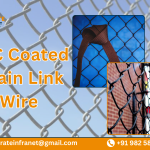


Barbed wire is one of the most widely used and cost-effective security solutions worldwide. Known for its sharp edges and deterrent properties, barbed wire provides reliable protection for residential, industrial, agricultural, and military applications. It is designed to prevent unauthorized access, safeguard property, and control livestock efficiently. With its simple yet effective design, barbed wire continues to be a preferred choice for both temporary and permanent fencing solutions.
What is Barbed Wire?
Barbed wire is a type of fencing material made from steel wires twisted together, with sharp points or barbs at regular intervals. The barbs are designed to cause discomfort or act as a deterrent for anyone attempting to climb or breach the fence. It can be installed on top of walls, fences, or posts, making it an effective tool for security and boundary demarcation. The steel wire can be coated with galvanization or PVC to improve corrosion resistance and durability.
Types of Barbed Wire
Barbed wire is available in several types depending on strength, coating, and application:
1. Galvanized Barbed Wire
This is the most commonly used type, made from zinc-coated steel. The galvanization protects the wire from rust and corrosion, making it suitable for outdoor applications like farms, construction sites, and residential fencing.
2. PVC-Coated Barbed Wire
PVC-coated barbed wire provides an additional layer of protection and aesthetic appeal. It is often used in residential areas, landscaped properties, and decorative security fencing where appearance matters along with security.
3. High-Tensile Barbed Wire
High-tensile barbed wire is made from stronger steel and has greater resistance to cutting, stretching, or breaking. This type is ideal for high-security installations like industrial zones, military installations, and airports.
4. Concertina Barbed Wire
Also known as razor wire, this type forms coils or spirals and provides maximum security. It is mainly used in prisons, border control, and high-security industrial sites due to its extreme deterrent effect.
Applications of Barbed Wire
Barbed wire is versatile and used in numerous applications across industries:
- Agriculture: Controlling livestock and marking farm boundaries.
- Residential Security: Protecting homes, gardens, and gated communities.
- Industrial Sites: Securing factories, warehouses, and construction sites.
- Military and Defense: Providing perimeter security for sensitive installations.
- Railways and Highways: Restricting unauthorized access and trespassing.
- Temporary Fencing: For events, construction projects, and emergency boundaries.
Its effectiveness, combined with affordability, makes it suitable for both small and large-scale applications.
Advantages of Barbed Wire
Barbed wire offers several benefits that make it an ideal choice for security and fencing:
1. Cost-Effective
Compared to other fencing materials like concrete walls or wrought iron, barbed wire is highly affordable while providing strong protection.
2. Easy to Install
Barbed wire can be quickly installed on posts, walls, or fences. Its lightweight design allows for easier transportation and setup compared to heavier fencing solutions.
3. Durable and Long-Lasting
Galvanized or PVC-coated barbed wire resists corrosion, rust, and harsh weather conditions, ensuring long-term performance.
4. Acts as a Strong Deterrent
The sharp barbs prevent trespassing and unauthorized access. Its presence alone can deter intruders, reducing the need for constant surveillance.
5. Versatile
Barbed wire can be adapted for various purposes—from agricultural fencing to high-security industrial barriers—making it a highly versatile solution.
Installation Tips for Barbed Wire
Proper installation is crucial for maximizing the effectiveness of barbed wire:
- Use Strong Posts: Steel or concrete posts provide the best support.
- Stretch the Wire Tightly: Ensure minimal sagging to prevent gaps.
- Secure the Ends Properly: Use strong clamps or ties to anchor the wire.
- Add Multiple Strands: For enhanced security, use 2–5 strands depending on the application.
- Maintain Proper Height: Install the wire at a height that deters climbing but remains safe for surrounding areas.
Conclusion
Barbed wire is a simple yet highly effective fencing solution that provides durability, security, and affordability. Its ability to deter trespassers, control livestock, and safeguard property makes it a preferred choice in residential, industrial, and agricultural sectors. With various types available, including galvanized, PVC-coated, high-tensile, and concertina barbed wire, it can be tailored to meet the unique requirements of any project. Choosing high-quality barbed wire ensures maximum protection, longevity, and peace of mind for property owners.