
Chain link fences have become one of the most widely used and trusted fencing solutions across residential, commercial, and industrial spaces. Known for their durability, affordability, and versatility, chain link fences offer effective protection without compromising visibility. Whether it’s for securing property boundaries, enclosing playgrounds, safeguarding industries, or protecting agricultural land, chain link fencing provides a long-lasting and economical solution. Due to its ease of installation and low maintenance requirements, it continues to be a top choice among contractors, builders, and infrastructure developers.
What is a Chain Link Fence?
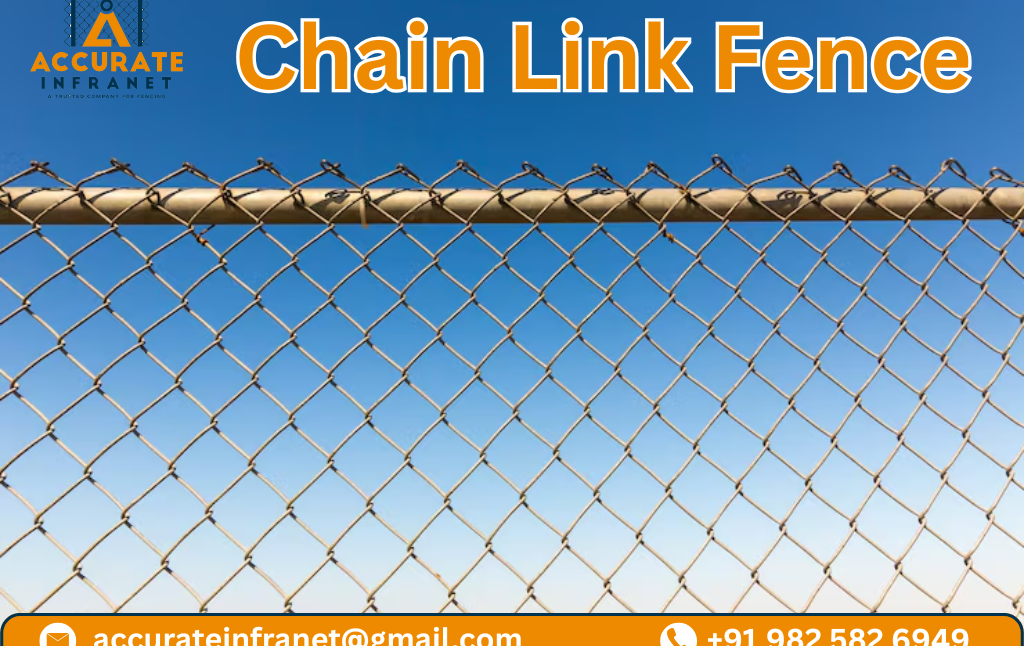
A chain link fence is a woven mesh fence made from galvanized or PVC-coated steel wire. The wires are bent into a zig-zag pattern and interlocked to form a diamond-shaped mesh. This strong and flexible structure is attached to metal or concrete posts to create a secure and durable boundary. Available in various wire thicknesses, mesh sizes, and coatings, chain link fencing can be customized based on the level of security required.
Types of Chain Link Fencing
Different projects require different levels of protection. Chain link fences are available in multiple types to suit various environments:
1. Galvanized Chain Link Fence
This is the most common type, made from zinc-coated steel wire that resists rust and corrosion. It is ideal for outdoor installations like gardens, plot boundaries, playgrounds, and residential areas.
2. PVC-Coated Chain Link Fence
PVC coating adds a layer of protection and enhances the fence’s appearance. Available in green, black, and other colors, PVC-coated fences are often used around parks, sports complexes, schools, and landscaped areas.
3. Heavy-Duty Chain Link Fence
With thicker wire gauge and stronger posts, this type is designed for industrial, commercial, and high-security areas such as warehouses, factories, power plants, and construction sites.
4. Stainless Steel Chain Link Fence
This premium option offers maximum corrosion resistance and durability, making it suitable for chemical plants, marine environments, and areas with high exposure to moisture.
Benefits of Chain Link Fencing
Chain link fencing is preferred globally because of its numerous advantages:
1. Highly Durable and Weather Resistant
Galvanized or PVC-coated chain link fences can withstand rain, sunlight, dust, and harsh weather without weakening or corroding.
2. Cost-Effective Security Solution
Compared to other fencing materials like wrought iron or concrete walls, chain link fences are much more affordable while providing strong protection.
3. Easy and Quick to Install
Chain link fences require minimal tools and labor, making installation fast and hassle-free. This is especially helpful for large-area fencing.
4. Low Maintenance
Once installed, chain link fences require almost no maintenance. Occasional cleaning or minor repairs are enough to keep them in excellent condition.
5. Long Lifespan
With proper coating and strong materials, chain link fences can last for many years without rusting or sagging.
6. Excellent Visibility
Unlike solid fencing options, chain link fences allow clear visibility, which helps with security monitoring and enhances open space aesthetics.
Applications of Chain Link Fencing
Chain link fencing is used across a wide range of industries and environments:
- Residential boundaries and gardens
- Schools, parks, and playgrounds
- Sports grounds and stadium enclosures
- Factories, warehouses, and industrial zones
- Construction and infrastructure projects
- Animal enclosures and agricultural areas
- High-security zones like power plants and railway facilities
Because of its flexibility and low cost, chain link fencing is ideal for securing both small and large areas.
Installation Process of Chain Link Fence
Installing a chain link fence involves several key steps to ensure durability and stability:
1. Ground Marking
The installation area is measured and marked to determine post spacing and fence height.
2. Post Installation
Metal or concrete posts are fixed at regular intervals and anchored firmly into the ground using cement or concrete.
3. Mesh Stretching
The chain link mesh is unrolled and stretched tightly across the posts to ensure a uniform and secure boundary.
4. Securing the Mesh
The mesh is tied or clipped to the posts and rails using binding wires and clamps for added support.
5. Finishing
Finally, tension wires are added at the top and bottom to maintain strength and prevent sagging.
Why Chain Link Fence is the Most Preferred Fencing Type
Chain link fencing offers the perfect balance of strength, durability, visibility, and affordability. Its adaptability makes it suitable for a wide range of environments, from residential homes to high-security industries. The long service life, minimal maintenance, and easy repair make it a cost-effective investment for any property owner.
Whether you need fencing for safety, security, or enclosure, a chain link fence is a dependable and practical solution that delivers lasting value.