Weld mesh wire has become one of the most widely used and dependable materials in modern infrastructure, industrial fencing, and construction. Known for its strength, durability, and versatility, weld mesh wire plays a crucial role in enhancing safety, security, and structural stability across various sectors. Whether it is used for fencing, reinforcement, machine protection, or architectural applications, weld mesh wire provides a reliable and cost-effective solution for long-term performance.
What is Weld Mesh Wire?
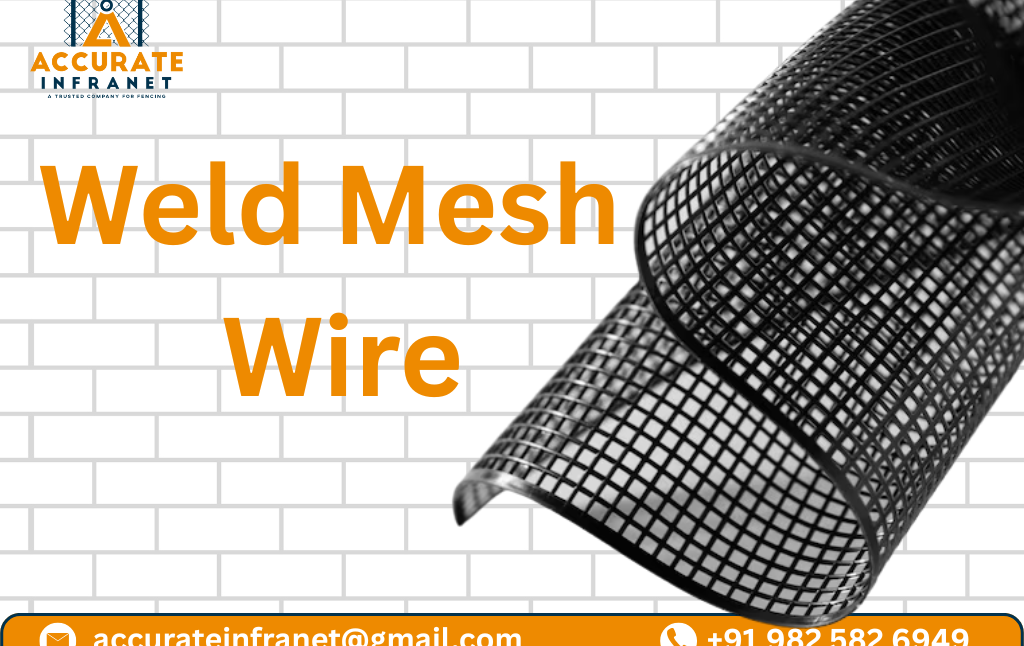
Weld mesh wire is a grid-like pattern of steel wires that are welded together at every intersection. Unlike woven mesh, where wires are interlaced, weld mesh is manufactured using electric fusion welding, creating a firm and consistent structure. This leads to exceptional strength, uniformity, and resistance against deformation. Available in different wire diameters, mesh openings, and surface coatings, weld mesh wire can be customized to suit almost any application.
Types of Weld Mesh Wire
Weld mesh wire comes in various types depending on thickness, coating, and application. The most popular types include:
1. Galvanized Weld Mesh
Galvanized weld mesh consists of steel wires coated with zinc to protect against corrosion. This type is widely used for outdoor purposes such as fencing, boundary protection, animal enclosures, and general-purpose infrastructure. The zinc coating ensures long-term durability, especially in humid or corrosive environments.
2. Stainless Steel Weld Mesh
Stainless steel weld mesh is ideal for environments where cleanliness and corrosion resistance are essential, such as pharmaceutical manufacturing, food processing units, chemical plants, and marine locations. It offers superior hygiene, strength, and aesthetic appeal.
3. PVC-Coated Weld Mesh
PVC-coated weld mesh provides extra protection through a plastic layer applied over the metal surface. This coating adds color variety, improved weather resistance, noise reduction, and enhanced aesthetics—making it suitable for residential and architectural applications.
4. Heavy-Duty Weld Mesh Panels
These are rigid steel panels used for high-security applications such as industrial fencing, prisons, airports, power plants, and warehouses. The mesh is thicker and stronger, designed to provide maximum protection and impact resistance.
How Weld Mesh Wire is Manufactured
The manufacturing process of weld mesh wire involves precision engineering and strict quality control. The main steps include:
Step 1: Wire Preparation
High-quality steel wire is drawn to the desired thickness, cleaned, and prepared for the welding process.
Step 2: Grid Arrangement
Wires are arranged parallel to each other to create a grid formation. The spacing depends on the required mesh size.
Step 3: Electrical Resistance Welding
At each intersection, an electric current is applied with pressure to fuse the wires together. This produces a strong joint without adding any filler materials.
Step 4: Cutting and Shaping
The welded mesh is cut into sheets, rolls, or panels depending on the final application.
Step 5: Coating (Optional)
Depending on the type, the mesh may undergo galvanization, PVC coating, or other finishing processes to improve durability and appearance.
Key Advantages of Weld Mesh Wire
Weld mesh wire offers numerous benefits over traditional fencing and reinforcement materials:
1. High Strength and Durability
The welded joints create a rigid structure that retains shape under pressure and provides excellent resistance against impacts and deformation.
2. Long Service Life
With options like galvanization and PVC coating, weld mesh wire is resistant to corrosion, rust, and harsh weather conditions—ensuring a long lifespan even in challenging environments.
3. Versatility in Applications
From construction reinforcement and industrial safety to residential fencing and agricultural use, weld mesh wire suits a wide range of applications.
4. Ease of Installation
Weld mesh panels and rolls are easy to handle, cut, and install, saving both time and labor costs.
5. Cost-Effective Solution
Compared to solid metal sheets or other fencing materials, weld mesh offers a perfect balance of strength and affordability.
Where is Weld Mesh Wire Used?
Weld mesh wire is used across numerous industries, including:
- Construction and concrete reinforcement
- Industrial safety barriers
- Boundary and security fencing
- Agricultural cages and enclosures
- Machine guards and equipment protection
- Transport containers and shelving
- Architectural and landscaping design
Its versatility and structural reliability make it a preferred choice for engineers, architects, and industrial users.
Conclusion
Weld mesh wire is an essential material in modern infrastructure, offering unmatched strength, durability, and adaptability. Whether used for heavy-duty security fencing, construction reinforcement, or specialized industrial requirements, weld mesh wire delivers exceptional performance and long-term value. With the availability of galvanized, stainless steel, and PVC-coated variants, it has become a trusted material for various environments and industries. Choosing high-quality weld mesh wire from a reliable manufacturer ensures enhanced safety, structural stability, and peace of mind for any project.